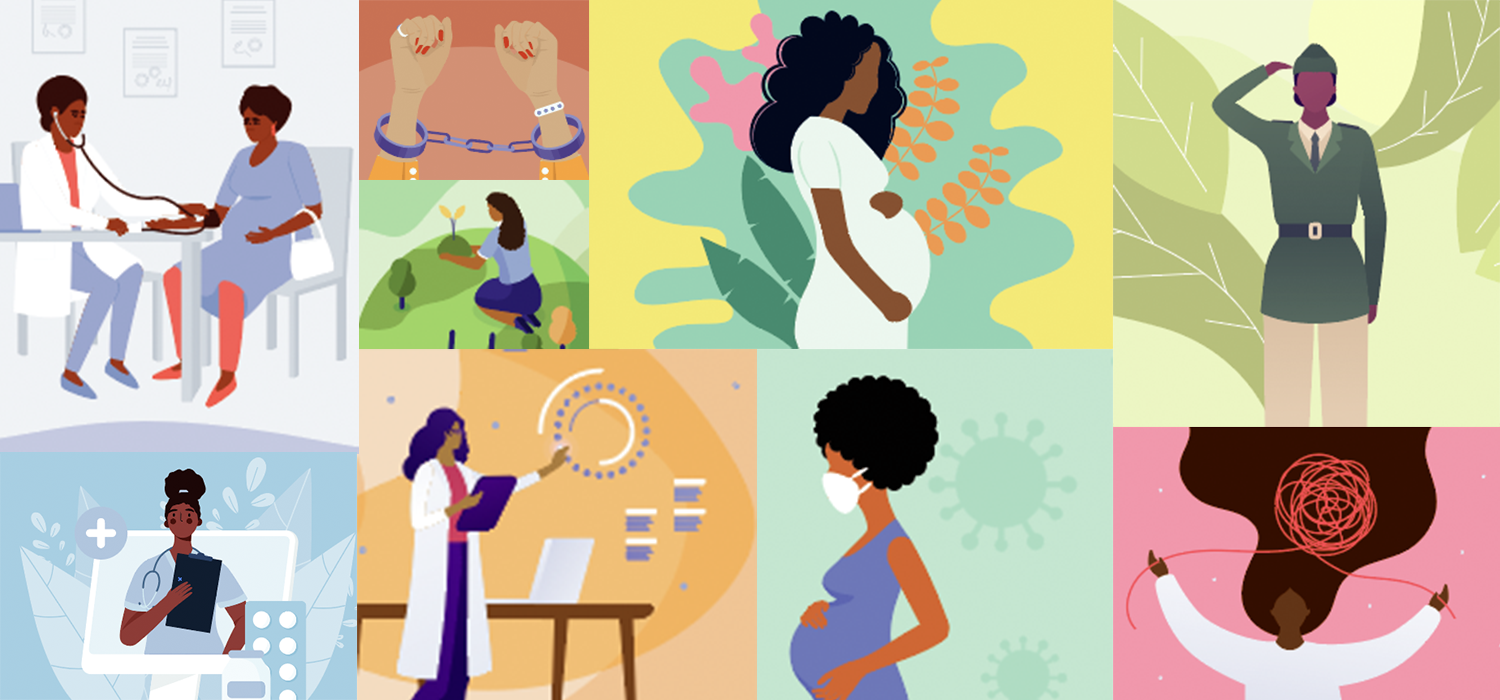
The intersection of maternal health and professional identity creates unique challenges and opportunities for working mothers. While employment offers important benefits including financial security, cognitive engagement, social connection, and personal fulfillment, it can also generate tensions between workplace demands and maternal wellbeing. Navigating this balance requires both practical strategies and broader perspective shifts that honor the value of both domains without sacrificing health and sustainability.
Understanding workplace rights establishes an essential foundation for maternal wellbeing in professional contexts. Legal protections vary significantly by location but may include provisions for pregnancy accommodations, maternity leave, lactation support, and protection against discrimination. In the United States, the Family and Medical Leave Act (FMLA) provides eligible employees with up to 12 weeks of unpaid, job-protected leave for childbirth and family care, though this coverage excludes many workers in small businesses or with insufficient tenure. The Pregnancy Discrimination Act prohibits employment discrimination based on pregnancy, childbirth, or related medical conditions, while the "Break Time for Nursing Mothers" provision requires reasonable break time and private space for expressing breast milk.
Beyond these baseline protections, company-specific policies may offer additional benefits such as paid parental leave, flexible scheduling, remote work options, childcare assistance, or phased return programs. Familiarity with available benefits allows expectant mothers to plan effectively and advocate for their needs when necessary. Human resources departments, employee handbooks, and union representatives represent important resources for clarifying policy details and implementation procedures specific to each workplace.
Pregnancy presents immediate considerations for workplace wellbeing, particularly in physically demanding occupations. Medical guidance regarding activity modifications varies based on individual health status and pregnancy progression. Common accommodations include more frequent breaks, reduced heavy lifting, schedule adjustments to manage morning sickness, access to water and snacks, and ergonomic support as pregnancy changes posture and comfort needs. Communicating these needs professionally with specific, solution-focused requests increases the likelihood of appropriate accommodations.
The transition back to work after childbirth represents a particularly vulnerable period requiring intentional planning. Physical recovery considerations vary based on delivery method, complications, and individual healing patterns. Breastfeeding mothers face additional logistical challenges requiring time and privacy for milk expression, appropriate storage facilities, and potentially adjusted work schedules. Emotional readiness for workplace reentry varies significantly among women and may not align with the timing dictated by leave policies. When possible, graduated returns through part-time schedules or remote work arrangements can ease this transition.
Sustainable work patterns for maternal health often differ from pre-parenthood approaches. The perfectionism and overcommitment that might have been manageable before children can become detrimental when combined with parenting responsibilities. Strategic approaches to workload management include focused prioritization, delegation when possible, elimination of non-essential tasks, and realistic timeline setting. Efficiency-enhancing strategies such as batching similar tasks, minimizing multitasking, and identifying peak energy periods for complex work help maximize productivity within constrained time frames.
Boundary setting practices protect both professional effectiveness and maternal wellbeing. Clear communication about availability, response times, and work hours helps manage expectations from colleagues and supervisors. Technology boundaries—such as email-free evenings or designated offline periods—create space for family connection and recovery. Physical boundaries between work and home spaces become particularly important with remote or hybrid arrangements, helping maintain psychological separation between professional and parenting roles even when they occupy the same physical environment.
Identity integration represents a significant psychological aspect of maternal career balance. Rather than compartmentalizing professional and maternal selves, many women find greater satisfaction through recognizing how each role enriches the other. Professional skills like organization, communication, and problem-solving enhance parenting effectiveness, while maternal experiences often develop leadership qualities, emotional intelligence, and perspective-taking highly valuable in workplace contexts. This integrated perspective supports authenticity across settings rather than requiring women to suppress important aspects of identity in different environments.
Self-care practices require reimagining for working mothers facing significant time constraints. Rather than viewing self-care as additional obligations requiring substantial time blocks, sustainable approaches integrate wellbeing practices into existing routines. Micromoments of mindfulness during transitions between activities, movement incorporated through active commuting or family activities, nutrition supported through simplified meal planning systems, and social connection maintained through quality-focused rather than quantity-focused interactions all represent realistic approaches to maternal wellbeing within busy schedules.
Support systems become increasingly important for working mothers balancing multiple demands. These networks might include partners sharing domestic responsibilities, family members providing childcare assistance, friends offering emotional support, and professional connections understanding work-family integration challenges. Employer-based supports such as mentoring programs, parent networking groups, and family-friendly policies contribute to sustainable career paths. Community resources including quality childcare, after-school programs, and practical services like meal preparation or home maintenance further expand capacity.
Career planning with maternal health considerations involves strategic decision-making about timing, advancement opportunities, and role characteristics. Some women choose to consolidate major career advancements before having children or during periods between pregnancies, while others find family-building periods ideal for lateral moves into positions with greater flexibility or stability. Alternative career structures such as contract work, job sharing, entrepreneurship, or reduced-hour arrangements offer potential alternatives to traditional full-time employment when alignment with existing structures proves challenging.
Workplace culture significantly impacts maternal wellbeing regardless of formal policies. Organizations with genuine family-supportive cultures demonstrate flexibility during family emergencies, normalize reasonable work hours rather than rewarding overwork, evaluate performance based on results rather than presence, and include diverse family situations in workplace planning. Women in leadership positions have particular opportunity to influence culture through modeling sustainable work patterns, openly acknowledging family commitments, and implementing family-friendly practices within their teams.
The COVID-19 pandemic catalyzed significant workplace transformations with mixed implications for working mothers. While increased remote work options provided flexibility benefits, the collapse of childcare systems and educational disruptions created unprecedented challenges. As workplaces establish post-pandemic norms, advocacy for retaining beneficial flexibility while rebuilding support systems represents an important opportunity for reshaping work-family integration in ways that better support maternal health and sustainable careers.
Ultimately, balancing maternal health and professional engagement requires both individual strategies and systemic changes. The persistent structural challenges—including inadequate parental leave, limited affordable childcare, and workplace cultures designed around traditional male career patterns—demand continued advocacy alongside personal adaptations. By approaching this balance with intentionality, clear priorities, and willingness to evolve strategies as family needs change, working mothers can protect their health while maintaining meaningful professional engagement.
Balancing Maternal Career and Health: Strategies for Working Mothers
.png)
Tips & Recommendations
- Know your workplace rights regarding maternity leave and accommodations
- Establish clear boundaries between work and family time
- Create systems that minimize decision fatigue
- Build a support network of other working parents
- Practice regular self-check-ins to assess balance and needs
Find this helpful? Share with other parents!
Related Articles

Essential Nutrition Guidelines for Maternal Health and Recovery
Maternal Health